Imagine a home filled with laughter, chaos, and the delightful sound of sibling bickering. Adopting a sibling group isn’t just about expanding your family; it’s about creating a vibrant household where love knows no bounds. These siblings share a bond that’s often deeper than any other, and by welcoming them into your life, you’re not just gaining children—you’re gaining a whole crew of partners in fun.
Many people think about adopting a single child, but why stop there? When you adopt siblings, you’re giving them the stability they crave while doubling (or tripling) the joy in your home. Plus, think of all the built-in playmates! So if you’re ready to embrace the beautiful chaos of sibling love, read on to discover how adopting a sibling group can transform your life and theirs.
Overview of Adopting a Sibling Group
Adopting a sibling group creates opportunities for nurturing close family bonds and fostering emotional stability. Families can enrich their lives by welcoming siblings together, promoting shared experiences and lifelong connections.
Benefits of Keeping Siblings Together
Siblings often provide essential emotional support throughout their lives. By adopting a sibling group, families can facilitate the continuation of these relationships, enabling children to rely on each other in challenging times. The presence of siblings also encourages shared memories and mutual understanding, allowing children to navigate life’s challenges together. Togetherness reduces feelings of isolation, which can be particularly beneficial during the adjustment period after adoption. Research shows that children placed with siblings experience fewer behavioral challenges compared to those separated, highlighting the importance of maintaining these connections.
Common Misconceptions About Sibling Adoption
Some believe adopting a sibling group is too challenging due to the needs of multiple children. While it requires effort, the joy and love siblings bring often outweigh the challenges. Another misconception is that blending diverse personalities is impossible. In reality, families can create harmonious environments with open communication and flexibility. Additionally, some worry about financial constraints; however, many adoption agencies provide support and resources to assist with costs. Understanding these misconceptions can help potential adopters embrace the idea of welcoming sibling groups into their homes.
The Adoption Process
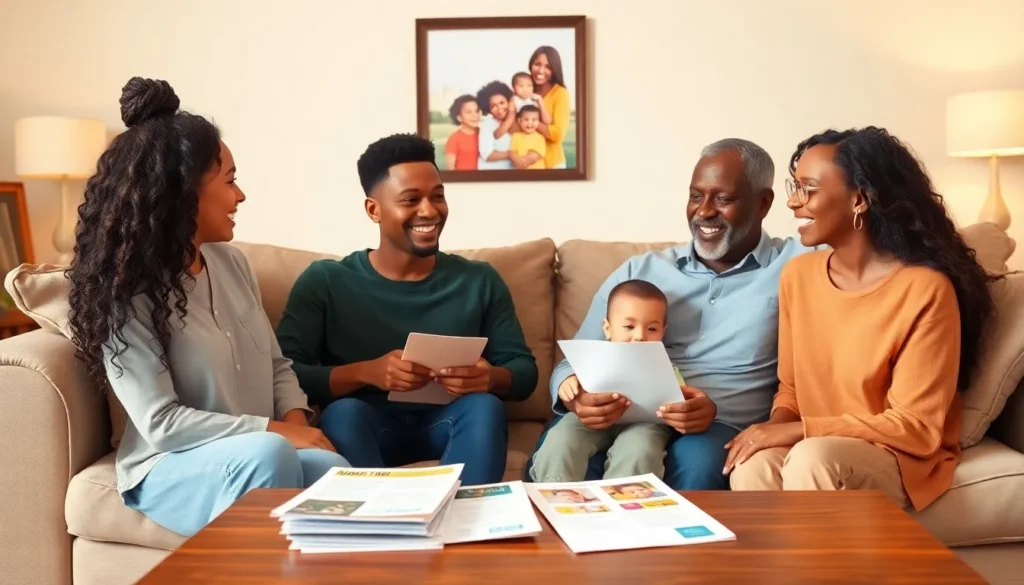
Adopting a sibling group involves specific steps and documentation. Each stage is crucial for ensuring a smooth transition for the family and children.
Steps to Adopt a Sibling Group
Begin by contacting local adoption agencies or child welfare organizations. Attend an orientation session to learn about the process and requirements. Complete a home study assessment, which evaluates the family environment and readiness. Submit an application form that outlines preferences, including the number of siblings and their age range. Participate in interviews and training sessions offered by the agency. Finally, wait for a match, where the agency connects the family with compatible sibling groups.
Required Documentation and Eligibility
Gather essential documents to initiate the adoption process. Required items include proof of income, identification, and background checks. Submission of references is necessary, as they provide insights into personal relationships and suitability as an adoptive parent. Potential adopters must meet eligibility criteria, which often includes being at least 21 years old and having stable living conditions. Certain agencies may require previous parenting experience or completion of parenting courses. Each requirement ensures that families are prepared for the emotional and logistical aspects of adopting siblings.
Tips for Families Considering Adoption
Families considering sibling adoption should prepare both their home and their hearts. Making a welcoming environment is key to a successful transition for siblings.
Preparing Your Home for Sibling Adoption
Creating a harmonious space supports children’s adjustment. Start by designating individual areas for each child, ensuring they feel ownership and security. Stock up on age-appropriate toys and activities that encourage shared play. Arrange family areas for group interactions, promoting togetherness. Safety is paramount; secure furniture and remove hazards to create a safe environment. Lastly, include personal touches, such as family photos, to foster a sense of belonging.
Building Stronger Bonds Among Siblings
Siblings thrive on strong relationships that provide emotional support. Encourage shared activities like board games or outdoor play to build connections. Regular family meetings give everyone a platform to express feelings and discuss concerns. Promote teamwork through collaborative tasks, allowing siblings to rely on each other. Celebrate achievements, no matter how small, to reinforce their bond.
By focusing on these strategies, families can foster resilience and joy among adopted siblings.
Challenges and Considerations
Adopting a sibling group presents both rewards and challenges. Understanding these aspects is vital for potential adopters.
Behavioral and Emotional Impact on Siblings
Behavioral dynamics among siblings can significantly affect adoption success. Siblings tend to share unique emotional bonds that may contribute to stability, but they might also bring unresolved behavioral issues from their previous environments. With proper guidance and support, adopted siblings can navigate these challenges together. Group dynamics can play a crucial role in fostering empathy. When siblings see each other’s struggles, they often develop a deep understanding, which can lead to fewer behavioral challenges. Studies show that children placed with siblings experience less anxiety and depression compared to those separated from their siblings.
Addressing Individual Needs Within a Group
Addressing the unique needs of each child in a sibling group can require thoughtful strategies. Individual attention remains critical, as children may have specific emotional, educational, or developmental requirements. Developing tailored support plans helps ensure every child’s needs are met. Regular family meetings can facilitate open dialogue, allowing siblings to express their feelings and preferences. Small group activities encourage bonding while respecting individual interests. Adopters often find that individual support enhances overall family cohesion and promotes healthier relationships among siblings. Prioritizing these needs fosters a nurturing environment that strengthens familial connections in the long term.
Adopting a sibling group can profoundly enrich a family’s life. The unique bonds shared among siblings create a foundation of support and companionship that lasts a lifetime. While challenges may arise during the transition, the rewards of love and connection often far outweigh the difficulties.
By fostering a nurturing environment and focusing on individual needs, families can help siblings thrive together. Embracing the joys and complexities of sibling adoption not only transforms the lives of the children involved but also enhances the family’s dynamic. Those considering this path are encouraged to take the leap and experience the vibrant love that sibling groups bring into their homes.